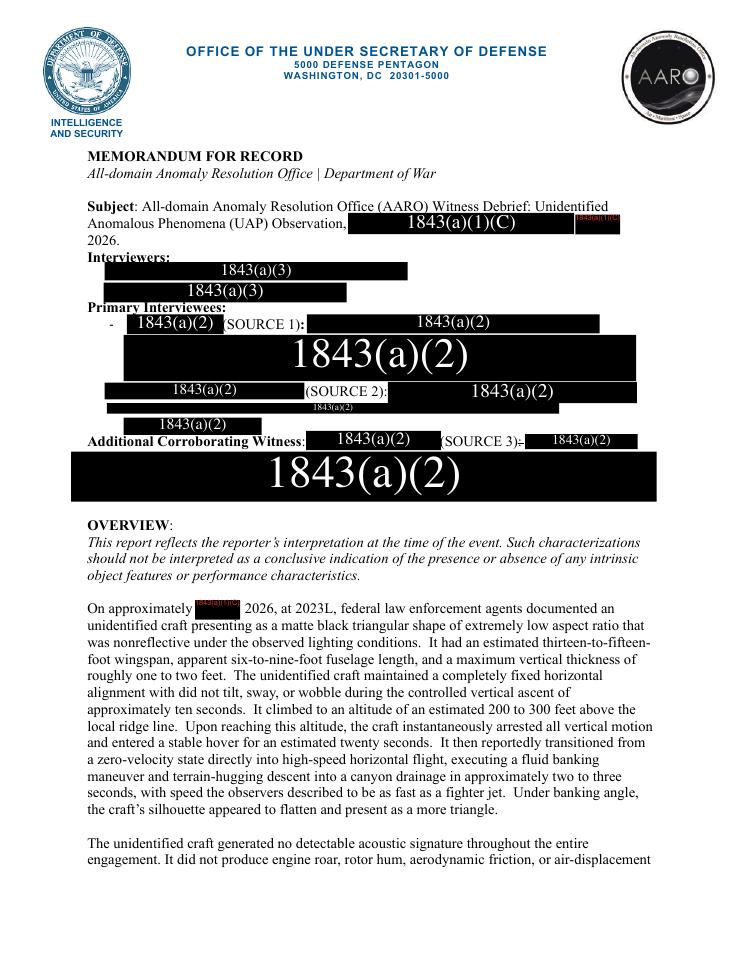
PURSUE Release 7: A Strong Triangle Case—and the Data Still Missing
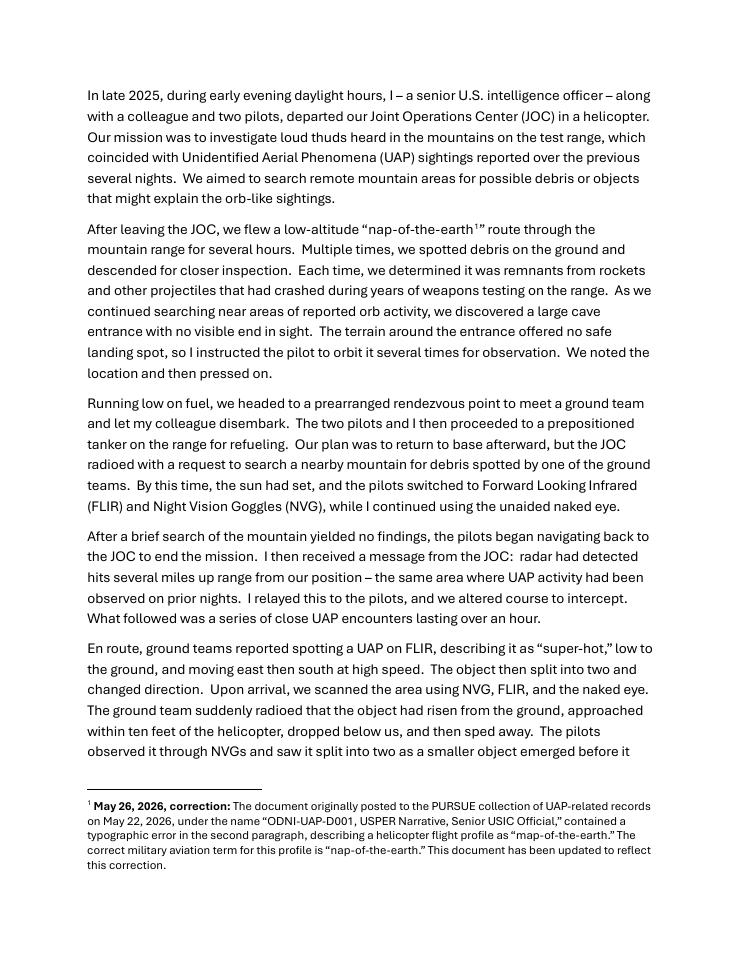
Release 7 pairs a striking 2026 triangle report with an FBI witness statement, then surrounds it with records that show exactly why disclosure needs raw data as well as documents.
Disclosure,
read from the record.
Latest coverage from this section.
Release 7 pairs a striking 2026 triangle report with an FBI witness statement, then surrounds it with records that show exactly why disclosure needs raw data as well as documents.
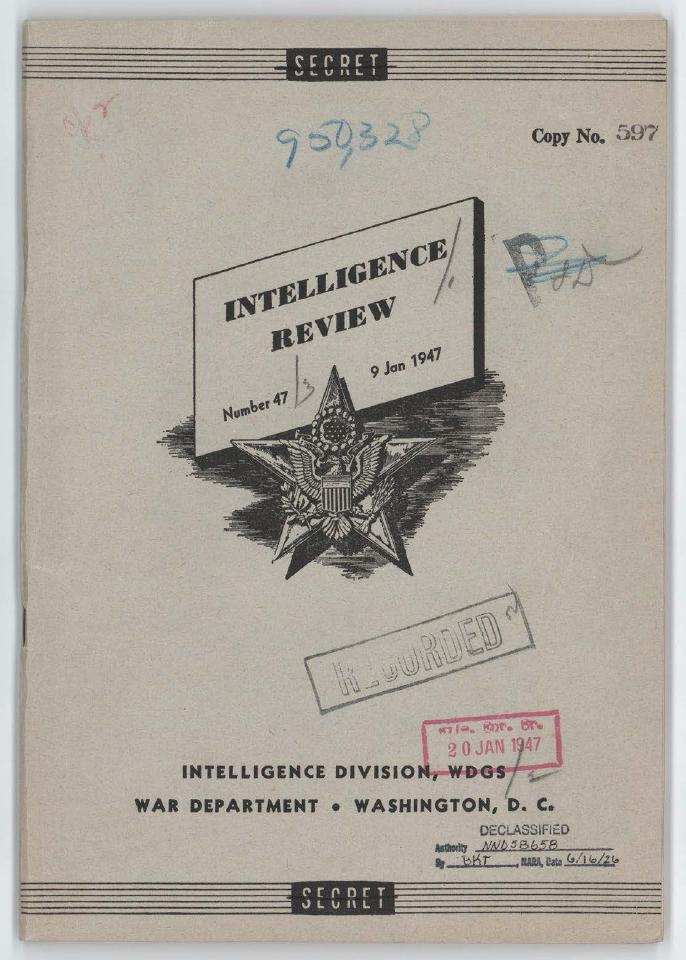
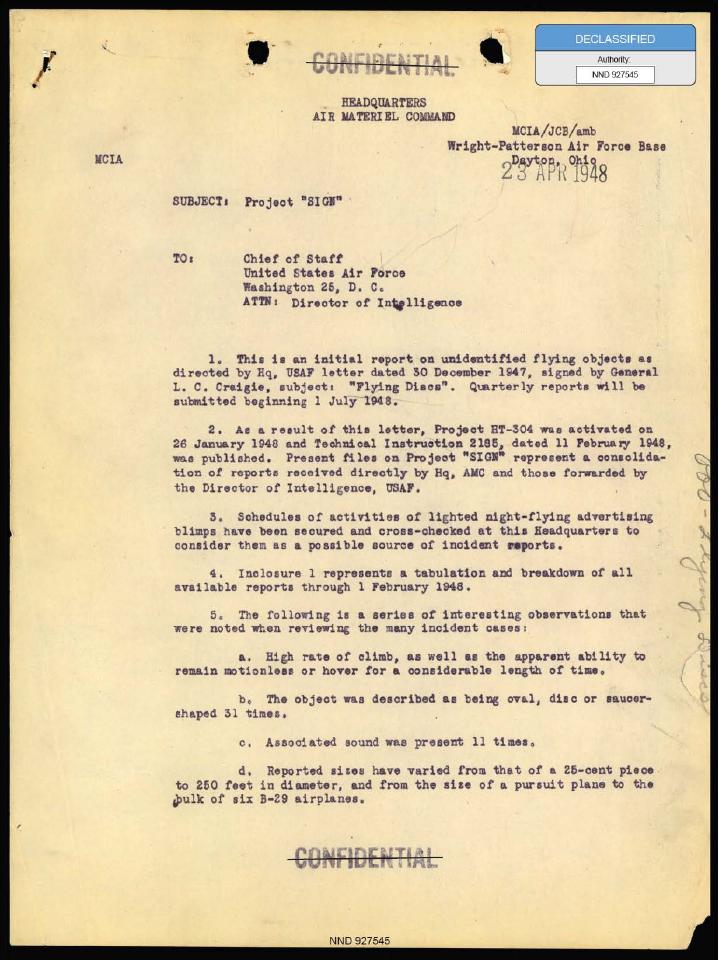
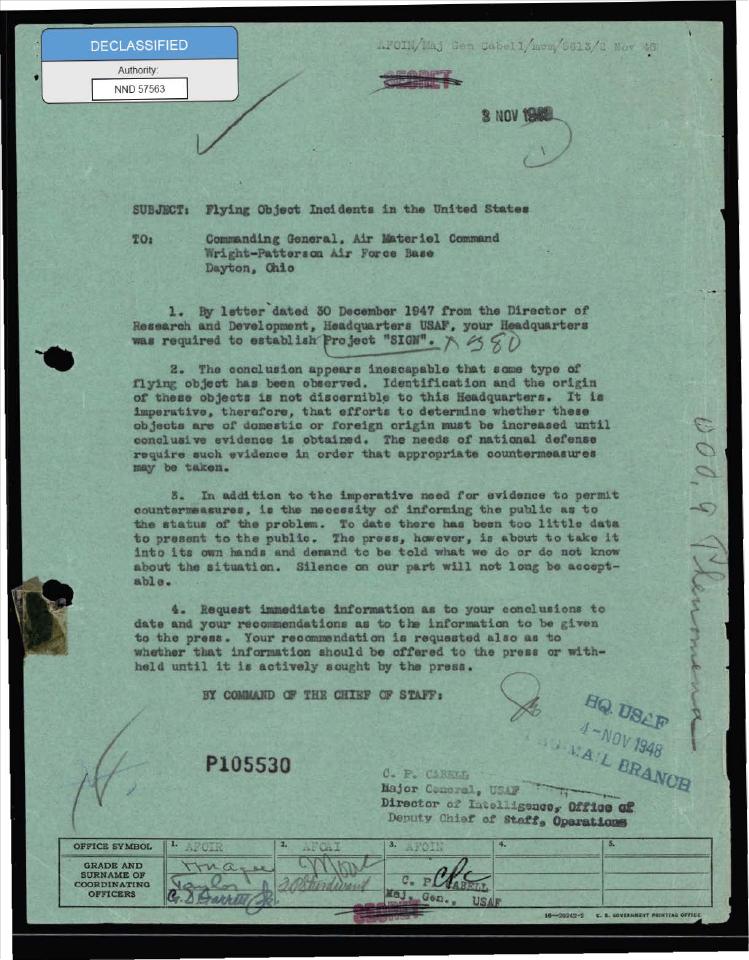
In 1948, the Air Force privately asked for urgent evidence—then recommended that any public statement lead with balloons and celestial bodies while the unexplained remainder stayed offstage.
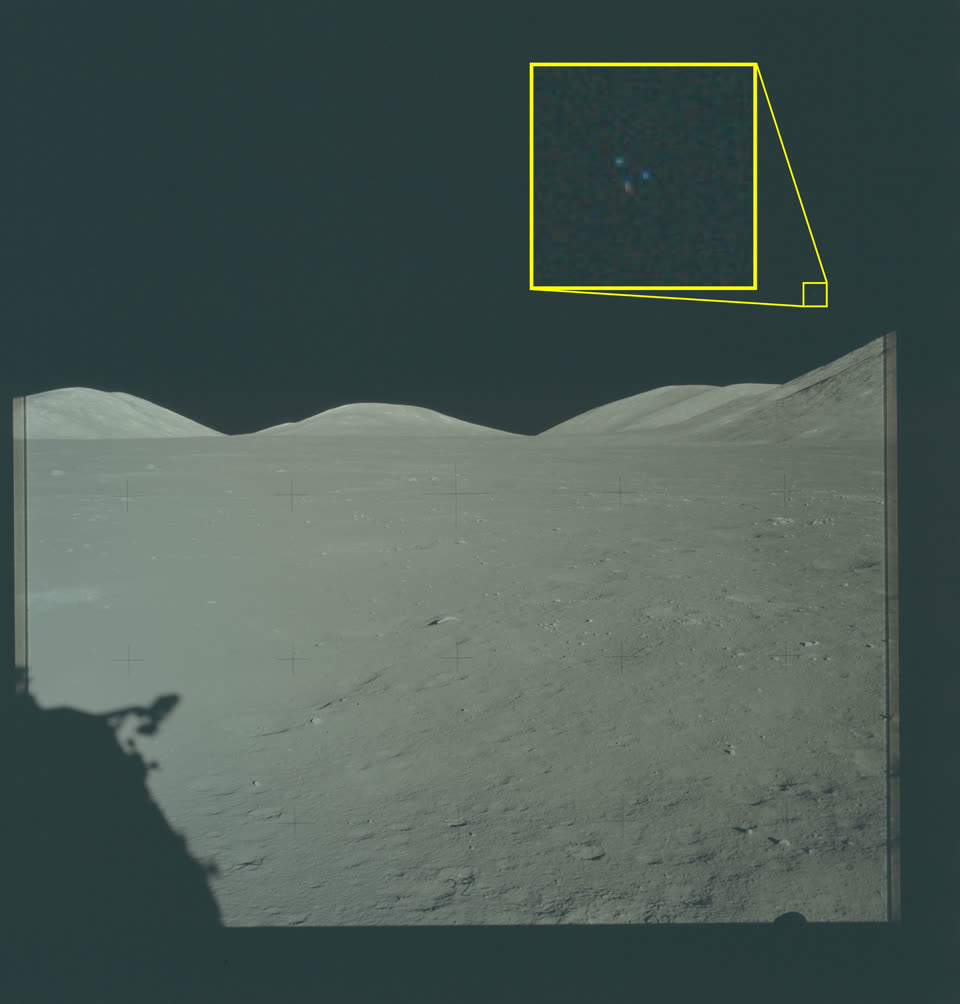
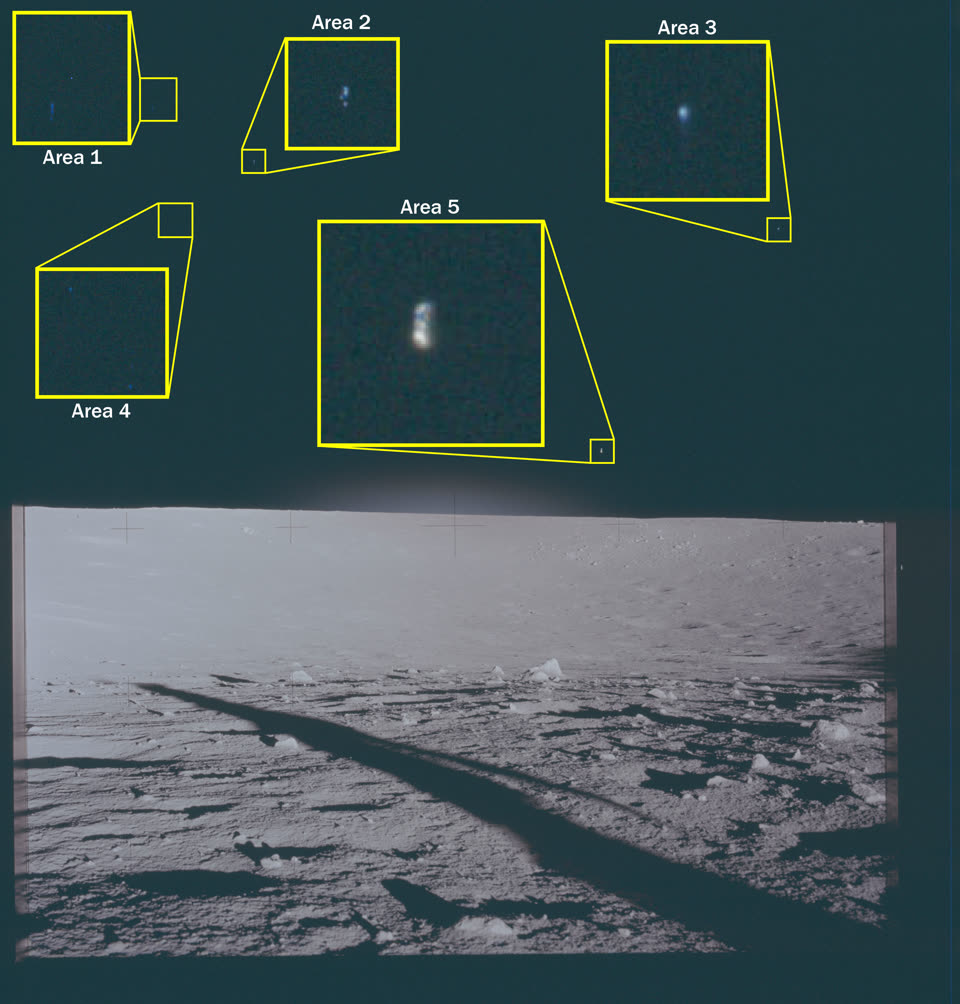
PURSUE highlighted five Apollo 12 photographs and paired them with an astronaut transcript. The pixels are real archival features. The connection between them—and the leap to an external object—is not.
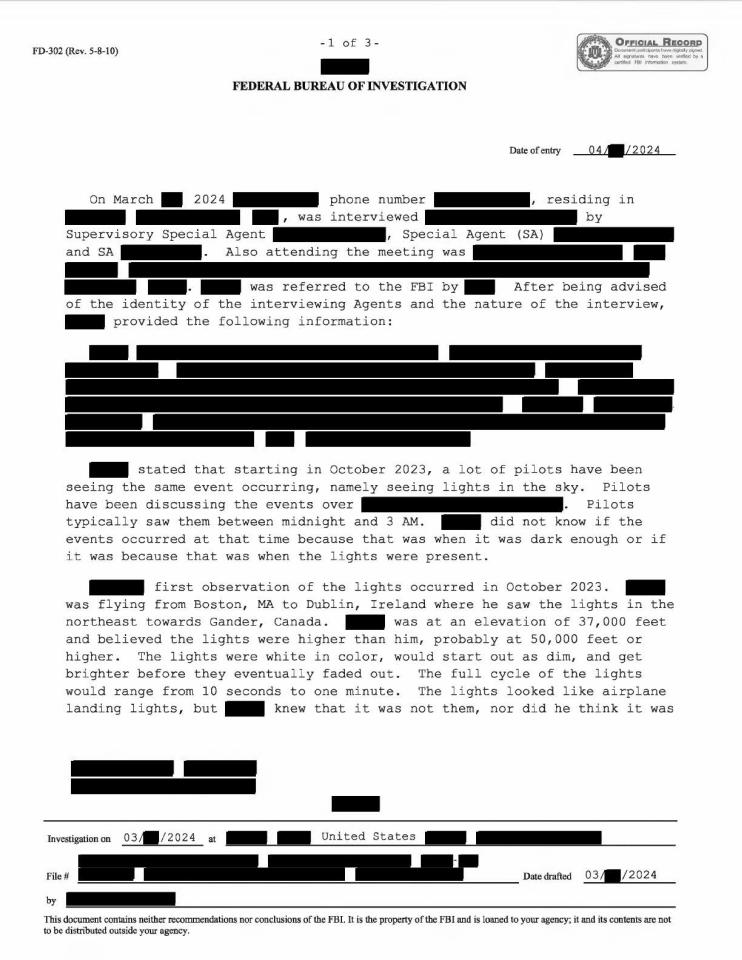
Three released phone videos are tied to an unusually detailed FBI paper trail, including two site surveys and first-hand observations by two agents. The file is stronger than a lone strange-light clip—but still stops short of measuring the object it describes.
An Australian intelligence officer argued that U.S. public skepticism concealed a deeper UFO program. The primary records confirm part of his case—and sharply limit the rest.
Four American witnesses, two rising lights, a real saucer-shaped aircraft program—and an official analysis that stopped short of a Soviet breakthrough.
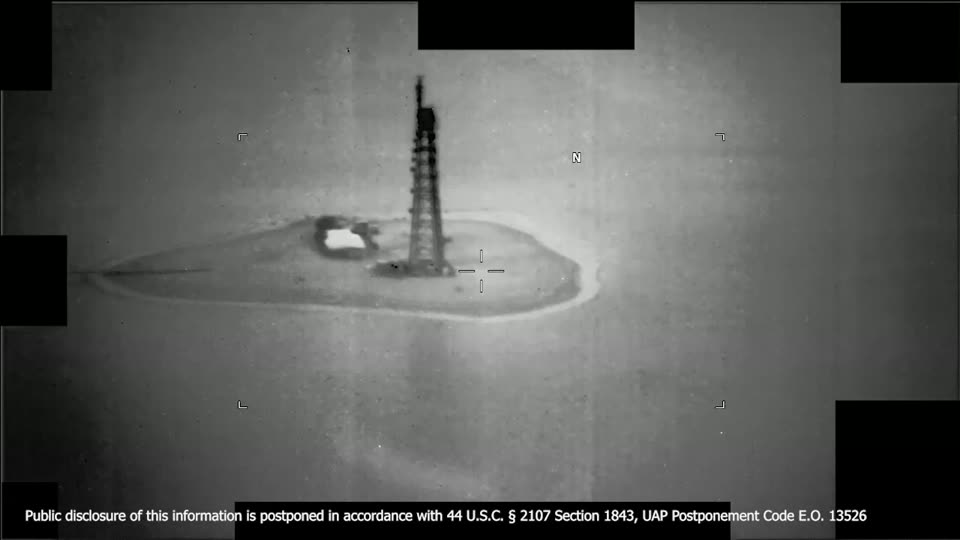
Two short military infrared clips come with ordinary working explanations—and one public-record mismatch that matters more than either moving dot.
Three released files show that the official UFO problem was never only the object. It was also secret aircraft, missile warning, diplomatic risk, reporting overload, and the public story built around uncertainty.
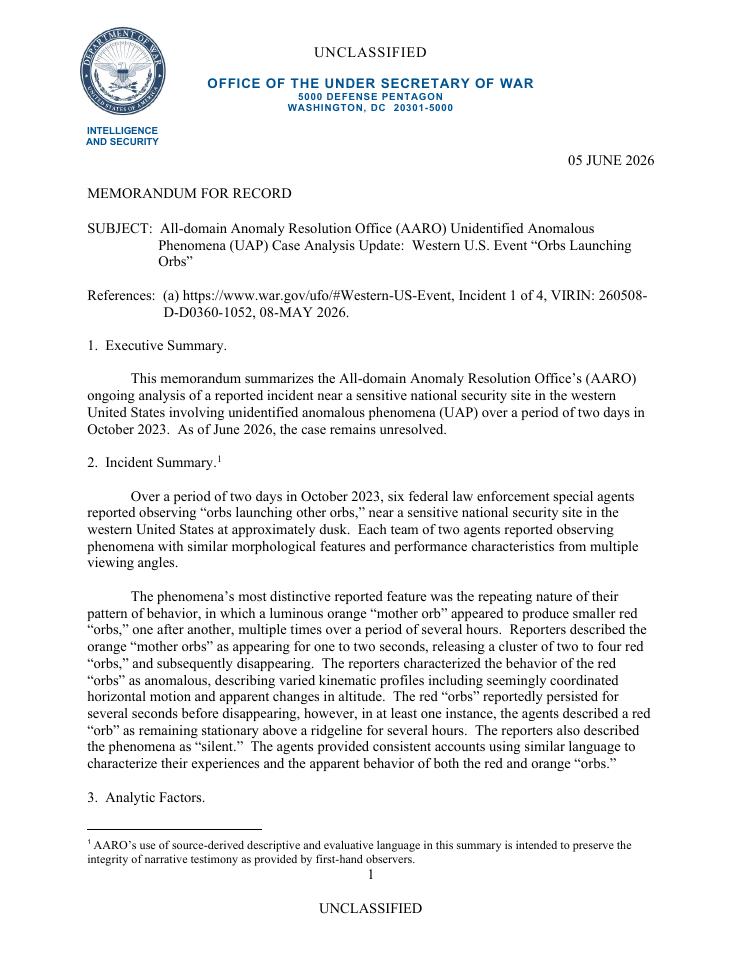
Six federal agents, three teams, flare data, and a startling provisional hypothesis. The public file is stronger than a lone story—and still short of a reconstructable case.
The three colored points are present in NASA’s original public scan, not added by the PURSUE callout. That makes the photograph authentic—and leaves distance, cause, and even the number of objects unresolved.
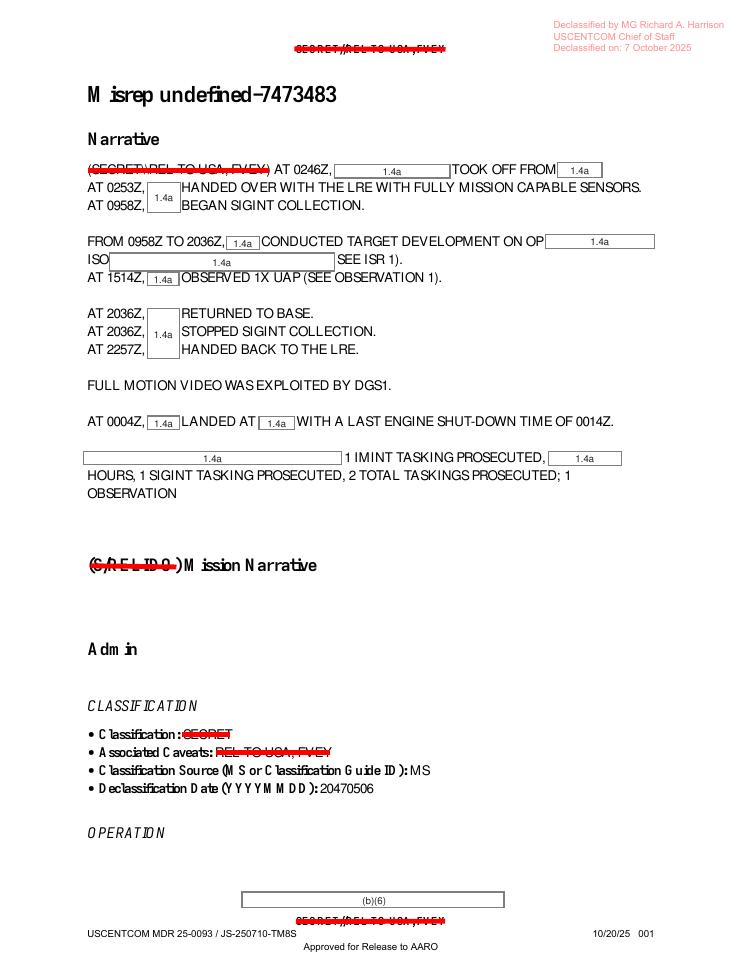
Paired mission reports and infrared videos document two 2025 military encounters. The release proves the observations entered a real reporting system; it does not let the public reproduce 480- and 500-mph estimates.
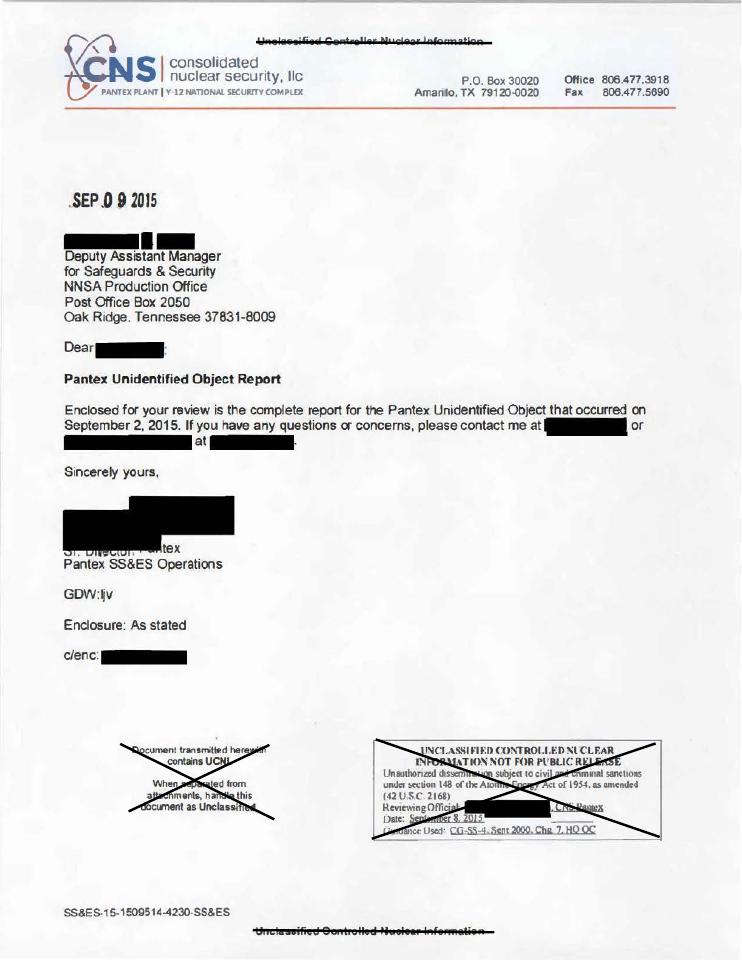
A 2015 nuclear-site report combines radar, several security observers, a mapped track, a camera, and laboratory-enhanced images. Its slow drift is exactly why strong corroboration is not the same as extraordinary performance.
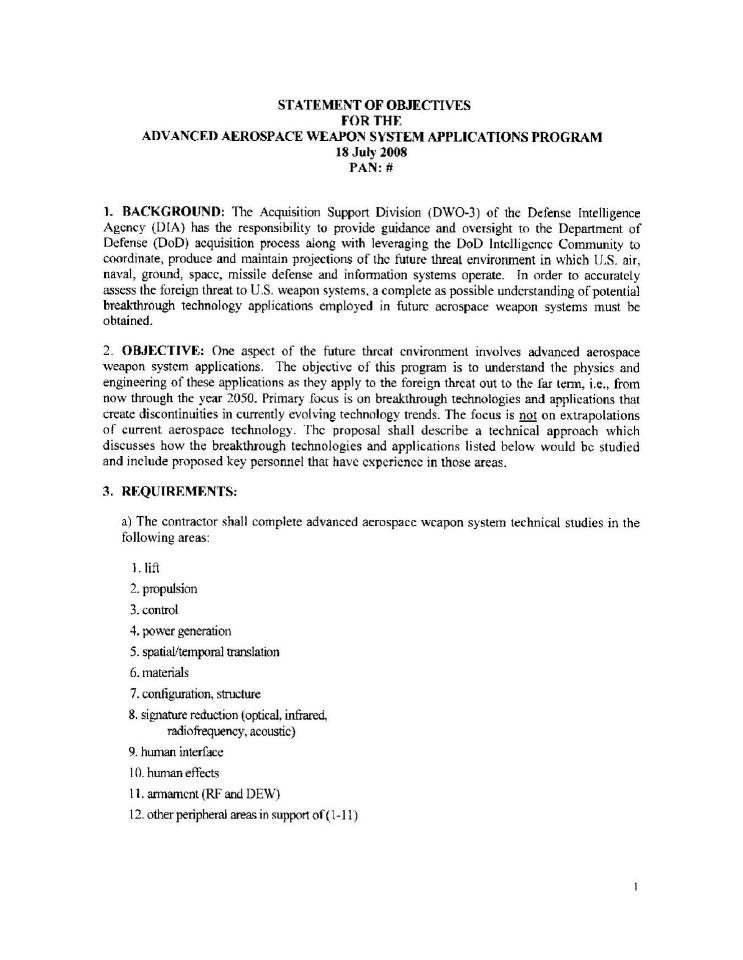
The sixth drop made two famous subjects easier to audit: AAWSAP through its contracts and technical studies, and Tremonton through the investigation, film, and later assessments.
Autofocus, zoom, contrast modes, stabilization, and platform motion can all change apparent shape and speed. The archive repeatedly warns readers to account for the camera.
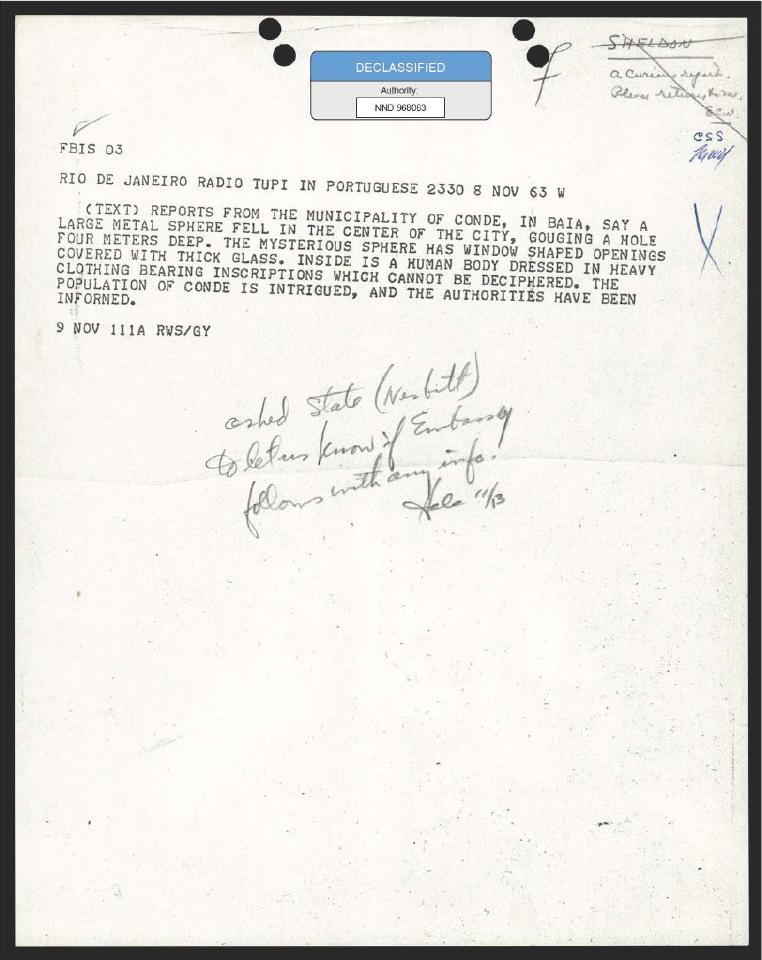
A radio report reached the White House with a metallic sphere and a dead occupant. Embassy verification left a weather-balloon report—and no confirmed crash.
Release 5’s triangle files are fascinating because they preserve both witness accounts and later renderings. That pairing also shows exactly where interpretation enters.
The fifth drop contains one of PURSUE’s sharpest radar-visual claims, a dramatic AC-130 report with no central recording, and a useful control: a spectacular story that weakened under verification.
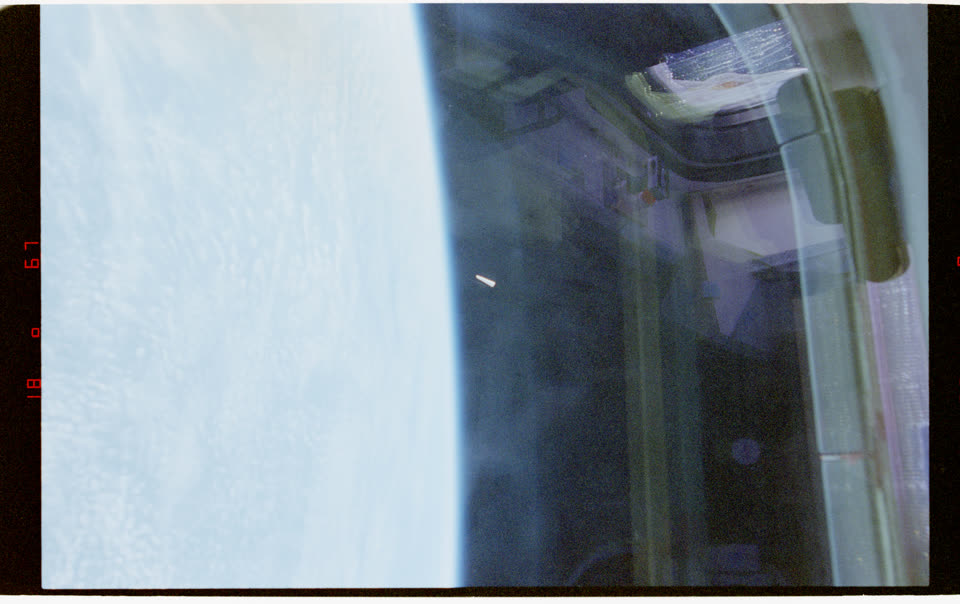
The shuttle photographs confirm that something appears in three frames. Without distance or camera geometry, that modest fact is also close to the limit.
The 1948 progress report shows an Air Force investigation still inventing its categories—and still confronting the same missing-data problem that shapes UAP review today.
Release 4 connected the first Air Force UFO program, the machinery that reviewed Blue Book, modern military clips, and an unresolved shuttle sequence.
The CIA panel’s central concern was not an invading craft. It was overloaded reporting channels, public panic, and an information environment vulnerable to manipulation.
The third drop paired famous CIA policy history with detailed modern witness files. It was less a gallery of objects than a study in institutional judgment.
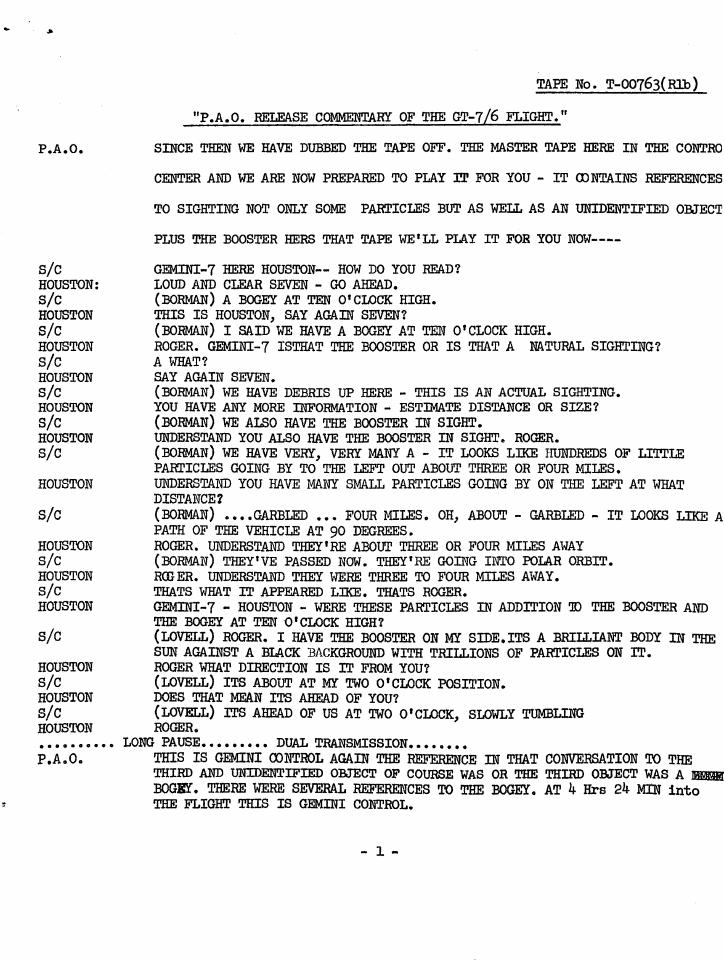
Gemini, Mercury, and Skylab recordings show why a strange word in spaceflight communications is a clue to investigate—not a conclusion to inherit.
The apparent shootdown footage matters, but its uploader-defined title and incomplete chain of custody put a hard limit on what an outside viewer can conclude.
Release 2 was dominated by video, from routine sensor ambiguity to the alleged Lake Huron shootdown clip. Its most important subject was provenance.
The first government drop mixed modern military reporting, astronaut transcripts, old intelligence files, and raw media. Its real story was the collision of eras—and evidence standards.