A compact release with a long historical arc
Release 4 arrived July 10, 2026 with 40 records: 14 PDFs, 19 videos, four audio files, and three images. It was smaller than the previous drops but unusually coherent. Its best records followed the American government’s UFO problem from the late 1940s through Project Blue Book and into space-shuttle imagery and modern sensor footage.
The Project Sign progress report is the natural starting point. Produced by Air Materiel Command, it details 100 sightings from 1947 and 1948. The significance is not that early investigators possessed a lost final answer. It is that the Air Force had already begun turning scattered stories into categories, comparisons, and an organized technical problem.
Blue Book’s review process is more interesting than its mythology
The 1966–1967 committee file documents the Air Force Scientific Advisory Board’s review of Project Blue Book. The committee recommended bringing in a university-affiliated scientific team to examine selected cases, and the Air Force adopted that recommendation. The record shows bureaucracy doing what bureaucracy often does when a problem refuses to leave: creating another layer of review, only here the paperwork reveals exactly how that layer was justified.
Read beside Project Sign, it shows continuity and drift. The labels, institutions, and public pressure changed, but the core measurement problem remained. Reports often arrived without the distance, duration, reference points, or recoverable physical data needed to test dramatic performance claims.
Three STS-80 images carry the problem into orbit
The release’s NASA material includes three photographs from Space Shuttle Columbia’s STS-80 mission in 1996. Each shows an unidentified object relative to Earth’s limb or the shuttle’s view. Three frames are better than one for confirming that a mark is present in the imagery. They are not enough to determine an object’s distance, scale, trajectory, or composition without additional camera and scene information.
The Los Alamos conference file added a different historical thread: officials and scientists examining aerial phenomena near sensitive atomic-era facilities. Together, these records made Release 4 feel less like a collection of curiosities and more like a recurring argument over how to build measurements around fleeting observations.
Its modern videos sharpen the same argument. New sensors can preserve more frames and more display data than a 1948 witness statement, but classification, cropping, and absent range still restrict public analysis. Technological improvement helps only when the surrounding metadata travels with the image.
The through-line is not objects; it is measurement
Project Sign’s 100 cases, the Blue Book advisory review, STS-80 imagery, and atomic-era conference material look like different subjects. Together they show one repeated institutional problem: reports arrive faster than reliable physical constraints. Each program tries to improve collection, but the surviving public record often remains rich in description and poor in range, scale, and calibration.
The Project Sign report demonstrates early aggregation. Blue Book’s review shows an attempt to add outside scientific expertise. The STS-80 frames provide genuine imagery but no recovered distance. The Los Alamos material shows officials considering unusual aerial reports near facilities where ordinary security concerns were already high. Continuity of attention is clear. Continuity of cause is not.
Blue Book’s committee file is process evidence
The advisory-board record matters because it documents dissatisfaction with the existing review structure and recommends university-affiliated scientific study of selected cases. That is stronger evidence for what the Air Force thought its process needed than for what any UAP was. Administrative files are often underestimated because they lack spectacle; they are the best sources for reconstructing institutional decisions.
They also reveal a limitation still visible today. Creating a new review layer does not improve an old case if the original observation lacks measurements. Expertise can narrow explanations and identify collection failures. It cannot manufacture a baseline, range, or calibration after the event.
The STS-80 sequence is the perfect modern-looking ambiguity
Three official images confirm that a feature persists across a short sequence. The Earth’s limb makes the composition feel geometrically meaningful, but overlap in a two-dimensional frame does not locate the object near the planet. A small nearby particle and a larger distant object can share an angular position. Without optics, timing, shuttle attitude, and adjacent frames, the physical interpretation remains open.
This is why Release 4 improved auditability more than certainty. It gave readers primary institutional records and an image sequence that can be inspected without relying on a television compilation. It did not release the complete datasets needed to turn the sequence into a trajectory.
Evidence verdict: a better history of the question than an answer to it
Release 4’s administrative material reaches layer five for program history. The orbital images reach layer four as official instrumented records, but not layer six because independent reconstruction is impossible from the public files alone. The release shows persistent attempts to collect better evidence across decades.
What would move it upward is case packaging: complete imagery sequences, camera and platform data, radar and tracking correlations, contemporaneous weather, and final analytic dispositions. Release 4 makes the government’s measurement problem legible. It does not show that one unexplained technology connects Project Sign, Blue Book, nuclear-site reports, and shuttle imagery.
Evidence on the page
What the released material actually shows
Open each source to inspect the complete record. The caption separates the useful fact from the limit that keeps it from carrying more weight.
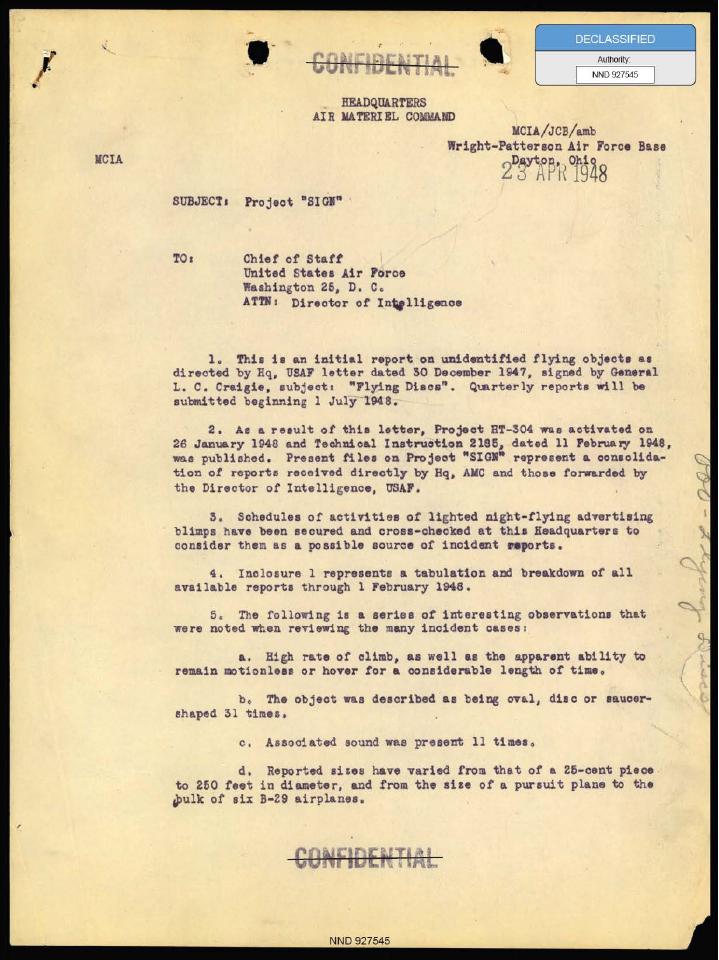
Project Sign’s 100-case report
What it shows: The early Air Force program turns dispersed reports into a structured institutional research set.
The limit: A compiled catalog mixes evidentiary levels and cannot be read as one corroborated event.
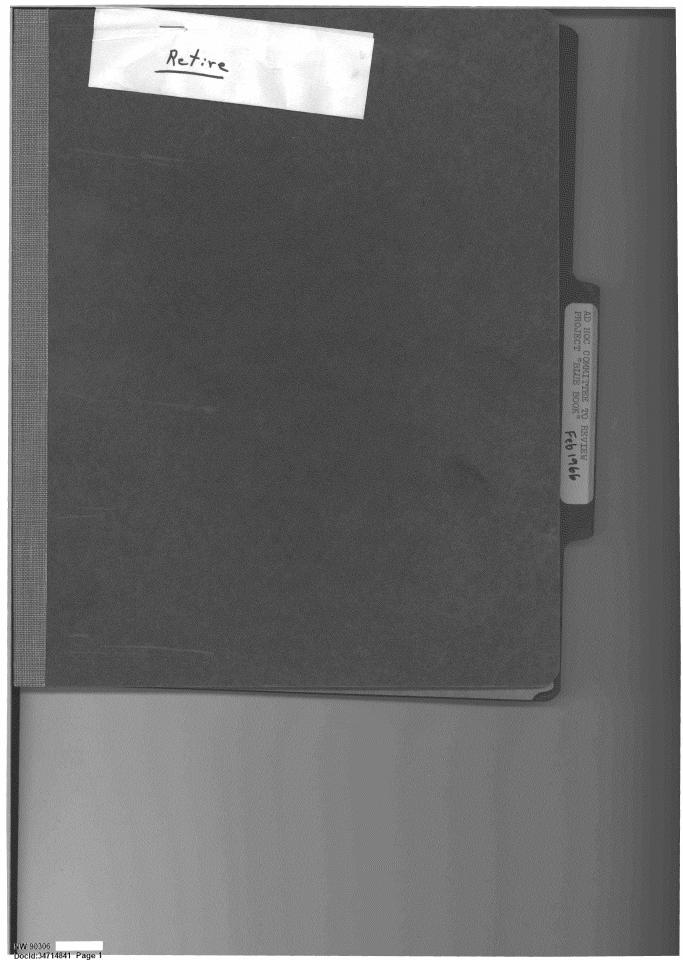
Blue Book scientific review
What it shows: The advisory record documents a recommendation for university-affiliated analysis of selected cases.
The limit: Process reform shows institutional concern, not an extraordinary technical finding.
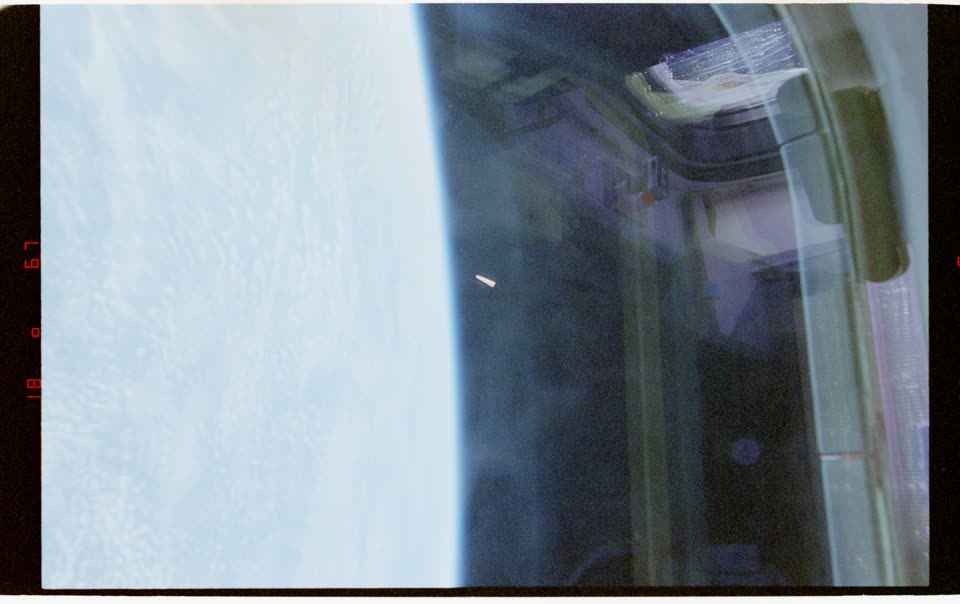
First STS-80 frame
What it shows: An official shuttle image contains a distinct unidentified feature near Earth’s limb.
The limit: The frame does not establish range, so apparent size and motion remain underdetermined.
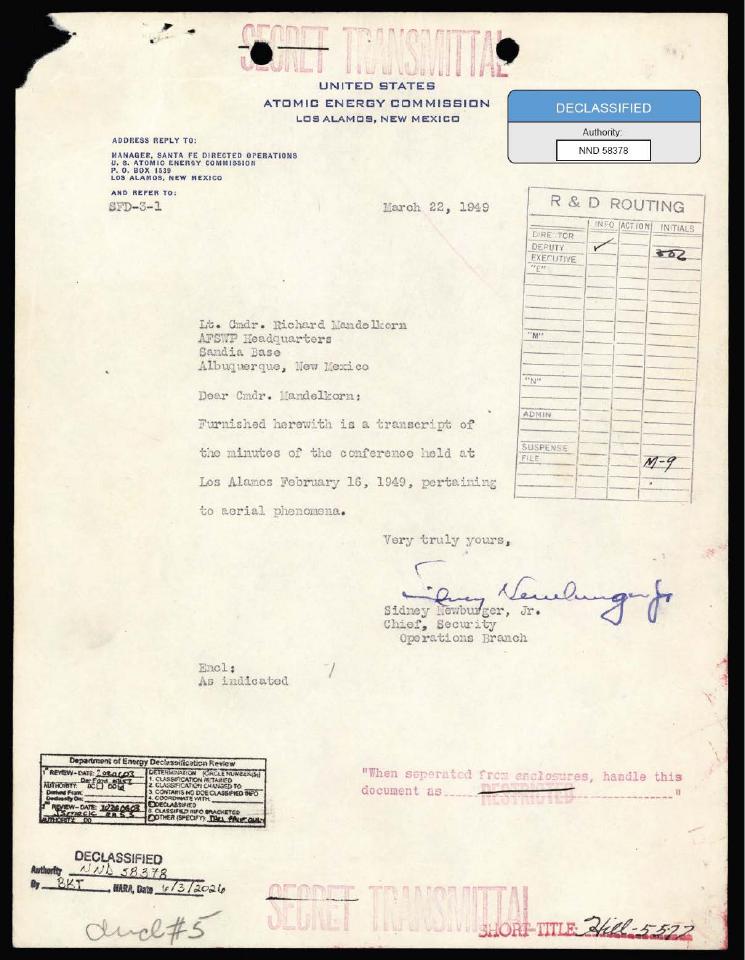
Los Alamos conference record
What it shows: The file preserves scientific and security attention to aerial reports near sensitive facilities.
The limit: Concern near a nuclear site can reflect the stakes of uncertainty without resolving object origin.
What the record supports
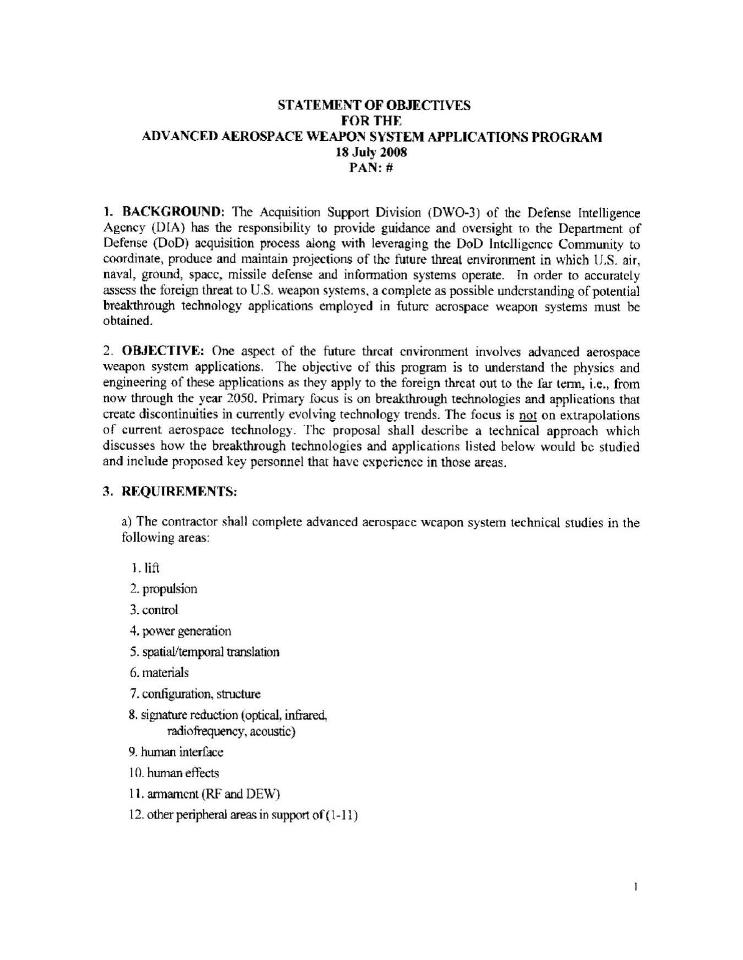
Release 4 provides important institutional history for Project Sign and Blue Book, documents atomic-era scientific concern, and preserves three NASA images containing an unidentified object.
What it does not establish
The longevity of government investigation does not prove a single persistent phenomenon. A sequence of orbital images confirms image content, not distance or identity, and administrative review does not guarantee that the underlying evidence improved.