The camera is part of the event
UAP videos are often discussed as if a lens simply opens a window onto the sky. Every camera instead produces a measurement through hardware and software. It focuses, magnifies, stabilizes, changes exposure, maps heat or brightness into display values, compresses data, and follows a target. Those operations can preserve real information while also changing apparent shape and motion.
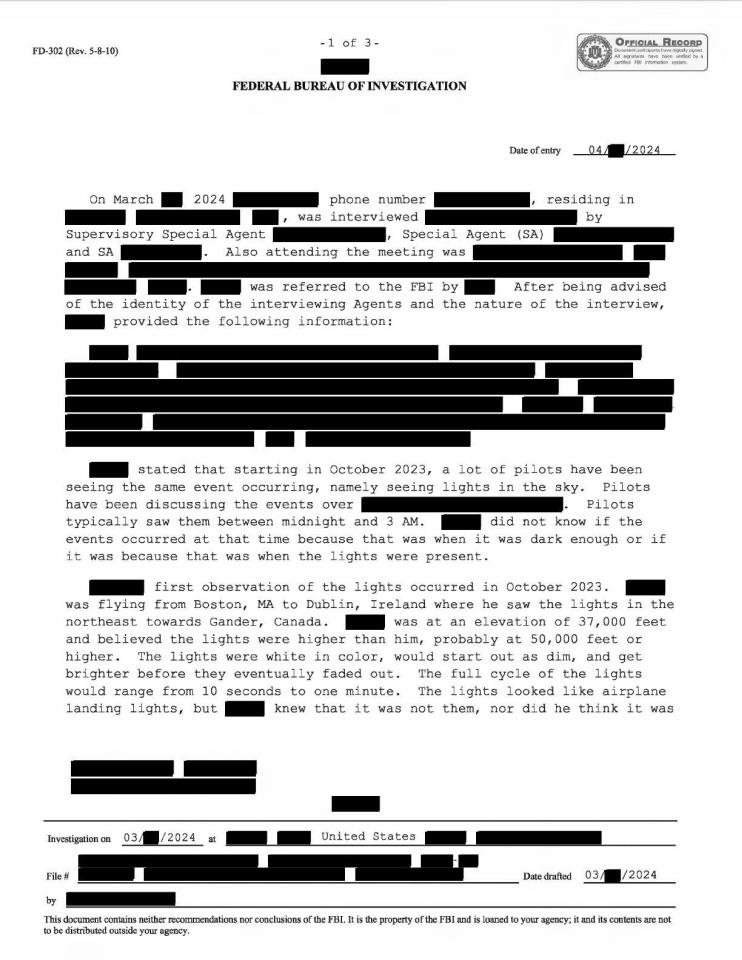
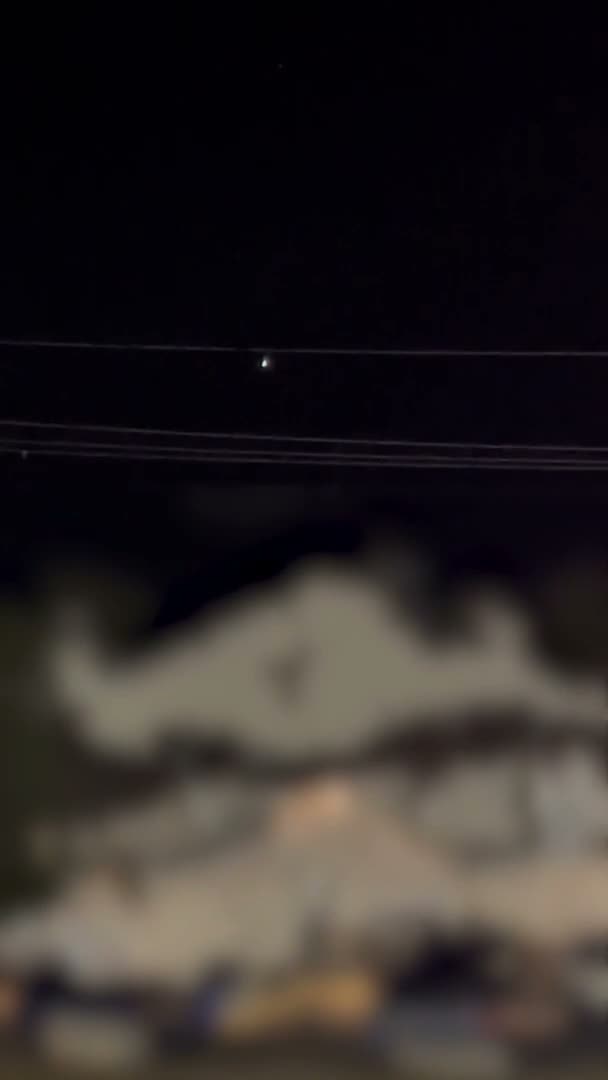
The PURSUE archive contains unusually clear reminders of this. Colorado law-enforcement footage was recorded on a consumer cellphone. The catalog warns that autofocus and automated image processing may distort the apparent morphology and kinematics of distant subjects, particularly at high magnification. That warning is not a dismissal of the officer. It is a description of the instrument.
Autofocus can manufacture a breathing object
When a camera cannot lock onto a distant point of light, the focus system may hunt back and forth. The image can expand, contract, sprout rings, or change edge character. Digital zoom enlarges those processing artifacts along with the signal. A light that seems to pulse or transform may be changing, or the camera may be changing its estimate of focus. The frames alone cannot always separate those possibilities.
Field of view changes perceived speed and size
Military sensors often switch between wide and narrow fields of view. In the 2026 Army clip, rapid cycling between zoom levels makes two tracked areas of contrast appear to grow and shrink quickly. The catalog description explicitly notes the sensor change. Without the display symbology, a cropped repost could make that camera operation look like sudden physical expansion.
Tracking also keeps a subject near the center while the background moves. If a viewer ignores aircraft motion, gimbal orientation, stabilization, and line-of-sight rate, a steady object can appear fast or a fast object can appear stationary. Parallax is not a magic word that solves every case. It is geometry that must be calculated with missing variables acknowledged.
Infrared contrast is not a material label
An infrared display shows relative radiance after processing, not a natural-color surface. A bright or dark blob does not by itself tell a reader that an object is metallic, glowing, cold, or hot in an everyday sense. Palette, gain, atmosphere, range, and sensor settings matter. The Lake Huron clip may show a kinetic interaction, but even there provenance and geometry remain separate questions from what the contrast pattern looks like.
Better viewing means watching the interface too
The most useful first pass asks what the sensor changed at the same moment the object seemed to change. Did zoom switch? Did focus hunt? Did the platform bank? Did contrast polarity reverse? The UFO may be in the center, but some of the evidence lives around the edges of the screen.
A sensor display is an argument made by a machine
Every UAP image has already been transformed before a viewer sees it. Infrared systems map detected energy into tones or colors. Digital zoom resamples pixels. Stabilization moves the background. Autofocus changes the apparent boundary of a bright point. Compression removes information according to rules designed for storage and transmission, not forensic reconstruction.
Those transformations are not flaws; they are how sensors become useful. The mistake is treating the display as direct access to an object. A dark shape in white-hot infrared may represent relative temperature, emissivity, atmospheric absorption, automatic gain, or a combination. A halo may belong to optics or processing rather than the object’s physical edge.
Four recurring traps in the released clips
Focus: a small light outside the focal plane can expand into a geometric blob. Parallax: platform motion can make a slow or stationary object appear fast against a distant background. Field of view: a zoom change can create apparent acceleration. Provenance: even a clear sequence cannot authenticate a filename, date, or location when the chain of custody is missing.
The local-law-enforcement Colorado videos make focus especially visible. Long recordings preserve the officer’s experience and give analysts more behavior to examine, but magnification and focus changes alter the form. The Army infrared clip demonstrates a different limit: two contrasts can be tracked without enough public context to decide what they represent. Lake Huron adds the provenance problem—dramatic apparent behavior attached to a title that exceeds the publicly authenticated chain.
What good sensor evidence looks like
A scientifically useful package links the uncompressed original to sensor model, calibration, focal length or field of view, frame timing, platform position and attitude, target range or a way to constrain it, weather, and concurrent sensors. With those inputs, analysts can test motion and size. Without them, viewers mostly classify appearances.
Multiple sensors help only when their timelines and geometry are linked. A witness, radar hit, and video mentioned in the same narrative are not automatically three independent measurements of one object. The package must show that they observed the same event and allow the measurements to be compared.
Evidence verdict: real recordings, underdetermined objects
The four examples reach the official instrumented layer, but not all reach the linked multi-source layer and none provides a complete public raw dataset. Their value is real: they preserve events, display behavior, and sometimes operational origin. Their ceiling is equally real: outside viewers cannot reliably recover distance, speed, or physical form from the released pixels alone.
What moves the needle is not sharper social-media enlargement. It is metadata, originals, synchronized records, and transparent analytic steps. Until those arrive, the correct object of investigation is the entire imaging system—not just the bright thing in the middle.
Evidence on the page
What the released material actually shows
Open each source to inspect the complete record. The caption separates the useful fact from the limit that keeps it from carrying more weight.
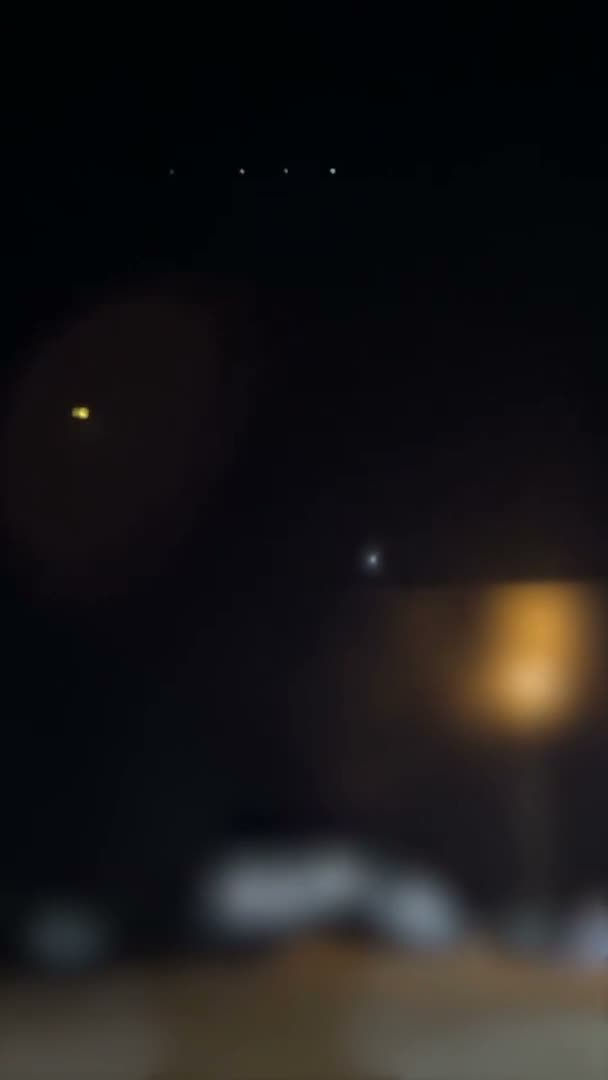
Colorado law-enforcement video one
What it shows: A long recording preserves the officer’s narration and the camera’s attempt to track a distant light.
The limit: Autofocus, magnification, and an unknown range can turn a point source into a changing apparent shape.
Colorado law-enforcement video two
What it shows: A companion recording supplies another view within the same reporting context.
The limit: A second clip is useful only to the degree its timing, position, and optics can be linked to the first.
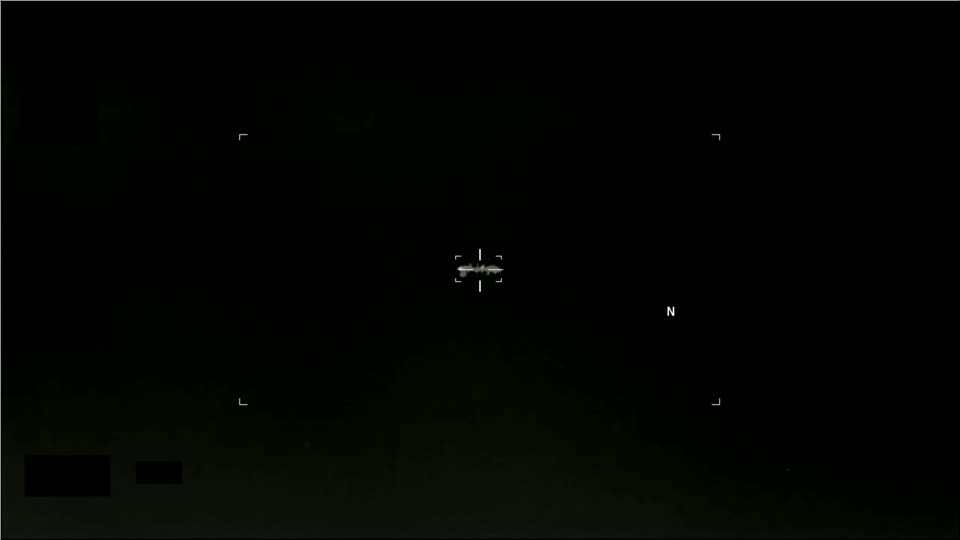
Military infrared tracking
What it shows: The display follows two areas of infrared contrast during an Army event.
The limit: The public package does not include range and sensor-state data needed to identify the forms.

Lake Huron apparent interaction
What it shows: The clip appears to capture fragmentation after two contrasts converge.
The limit: Missing chain-of-custody and mission metadata prevent the filename from serving as independent proof.
What the record supports
Released cellphone and military videos contain genuine recorded contrast or light sources, and official descriptions document focus, zoom, tracking, and display changes that affect appearance.
What it does not establish
A dramatic change on screen does not automatically represent acceleration, growth, heat, or shape change in a physical object. Sensor artifacts do not explain every case, but they must be tested before stronger claims.