The Tremonton case is not important because one frame settles what happened. It is important because the archive shows the same film being interpreted differently as analysts, laboratories, and Air Force offices revisited it.
The witness and the film
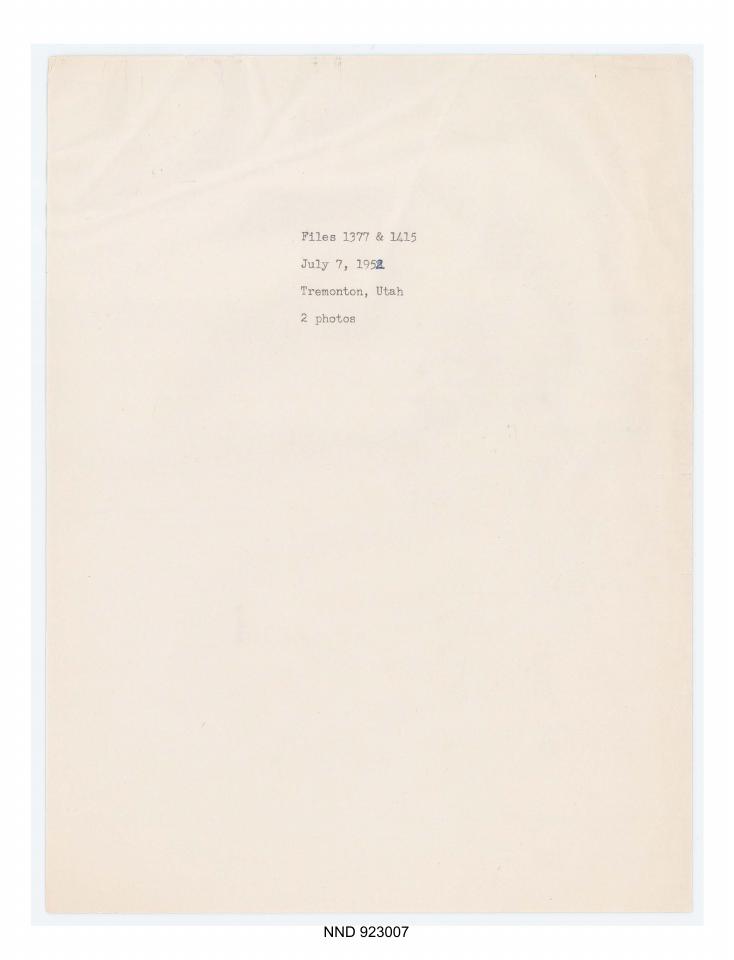
On July 2, 1952, Navy warrant officer Delbert Newhouse reported seeing roughly a dozen bright objects near Tremonton, Utah. Newhouse had extensive aerial-photography experience and recorded part of the event on 16mm Kodachrome film. The record describes investigators treating him as honest and technically competent.
From competing hypotheses to seabirds
Early documentation considered sunlight reflecting from birds or balloons, atmospheric effects, and other possibilities without reaching a firm conclusion. Later Air Force assessments became more confident that the bright points were seabirds catching sunlight, citing visible bird-like examples and comparison footage.
The change in confidence is part of the story. So are the persistent measurement limits: without reliable fixed reference points, analysts could not derive the objects’ distance, true size, altitude, or linear speed from the film alone.
Why the format confusion matters
Some later paperwork calls the source 35mm. Contemporary submission records identify the original as 16mm, while 35mm positive and negative blowups were made for analysis. The archive’s film record is a digitization of a preserved 16mm print. This is a small archival detail with a large lesson: copies made for analysis can become confused with the original evidence.
What the record supports
A qualified witness filmed bright moving objects. The Air Force conducted repeated analysis, and later reviewers favored sunlit seabirds.
What it does not establish
The film cannot independently provide the distance and scale needed for strong performance claims. It also does not let a modern viewer recover information absent from the original frames.