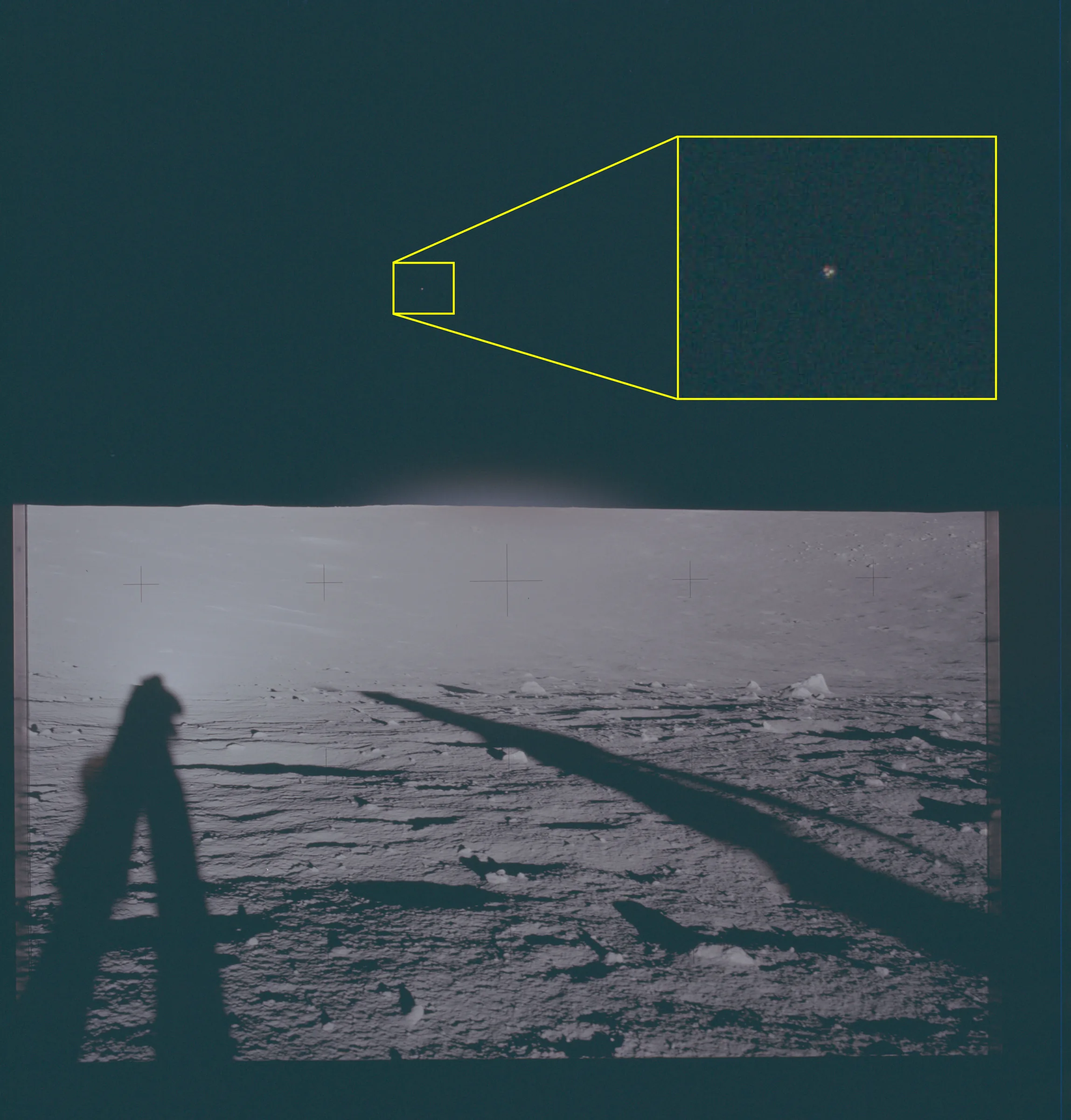
Over the past several days, the U.S. government quietly launched a new system known as the Presidential Unsealing and Reporting System for UAP Encounters, or PURSUE. The stated goal of the program is to begin releasing government records related to Unidentified Aerial Phenomena (UAP), UFO sightings, military encounters, historical investigations, intelligence reports, and other previously unreleased material connected to the phenomenon.
According to statements released through the official portal, the Department of War, alongside the Office of the Director of National Intelligence and other agencies, has started publishing declassified records on a rolling basis following directives from President Donald J. Trump aimed at increasing transparency around unresolved UAP incidents.
The problem? The official site honestly kind of sucks.
The government portal is difficult to browse, hard to search, slow to navigate, and makes reviewing large numbers of files frustrating, especially if you actually want to research patterns, compare incidents, or dig through hundreds of pages of documents efficiently.
So I decided to build something better.
Introducing the UFOInform PURSUE Archive
You can now browse the archive here:
https://ufoinform.us/uap-archive.php
The goal of this project is simple:
- Make the files easier to browse
- Add full OCR search across documents
- Improve organization and categorization
- Provide thumbnails and previews
- Make reviewing records actually enjoyable
- Let users compare, pin, and privately review files in their own browser workspace
The archive currently includes:
- Military mission reports
- FBI records and photos
- NASA transcripts and debriefings
- State Department cables
- Historical intelligence files
- Range fouler reports
- UAP encounter summaries
- Video evidence released through DVIDS
- Images, PDFs, and scanned archival material
Many of these records span decades and include documents from the 1940s all the way through modern military encounters in the Middle East and elsewhere.
Full-Text Search & OCR
One of the biggest improvements is searchable OCR processing.
Many of the released files are scanned paper documents that normally would not be searchable at all. UFOInform processes the PDFs and extracts searchable text where possible, allowing users to search for names, locations, phrases, incidents, and keywords across the archive much more easily than on the official site.
Not every document OCRs perfectly. Some scans are rough, handwritten, low quality, or heavily degraded, but overall the experience is dramatically better than the government portal.
More Files Are Coming
The government has stated that additional releases are expected over the coming days and weeks, with new batches of records continuing to be declassified and published.
As new files are released, I’ll continue updating the UFOInform archive and improving the system over time.
This is still version 1. There are definitely bugs, rough edges, and things I want to improve, but even in its current state, I think it provides a much better experience for researchers, enthusiasts, skeptics, and curious people who simply want to explore the material themselves.
At the end of the day, whether you believe these incidents represent advanced technology, foreign systems, misidentifications, classified projects, or something stranger entirely, transparency and public access to information matters.
Have fun digging through the files.
And if you find something interesting, let me know.